The Brain-Inspired Future: How Neuromorphic Engineering Is Transforming Artificial Intelligence


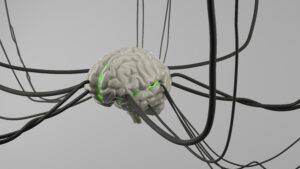
Artificial intelligence has made incredible progress in recent years, powering everything from voice assistants to self-driving cars. Yet, despite these advances, most AI systems still operate very differently from the human brain. They rely on traditional computer architectures that consume large amounts of energy and process information in rigid ways. This is where neuromorphic engineering comes into play. By mimicking the structure and function of biological brains, neuromorphic engineering is revolutionizing artificial intelligence and opening the door to smarter, faster, and more energy-efficient systems.
Understanding Neuromorphic Engineering
Neuromorphic engineering is a field that combines neuroscience, computer science, and electrical engineering. The goal is to design hardware and software systems inspired by how neurons and synapses function in the brain. Unlike conventional computers, which process information in a step-by-step manner, neuromorphic systems process data in parallel, as the brain does.
Carver Mead first introduced the term in the 1980s. He envisioned electronic systems that could replicate the adaptive and efficient nature of neural networks found in living organisms. Since then, researchers have developed chips and circuits that simulate neural behavior, enabling machines to learn and adapt in real time.
Traditional AI models, especially deep learning systems, run on standard processors or graphics processing units. These systems require significant computational power and energy. In contrast, neuromorphic chips are designed to process spikes of information, much as neurons communicate via electrical impulses. This approach reduces energy consumption while improving responsiveness.
How the Brain Inspires Smarter Machines
The human brain contains billions of neurons connected by trillions of synapses. These neurons communicate through short electrical signals called spikes. The brain’s ability to process sensory input, recognize patterns, and make decisions happens almost instantly and with remarkable efficiency.
Neuromorphic engineering seeks to recreate this behavior in silicon. Instead of separating memory and processing units as traditional computers do, neuromorphic systems integrate them. This design reduces delays and allows data to be processed where it is stored. As a result, these systems can handle complex tasks with lower power usage.
One of the key concepts in neuromorphic computing is spiking neural networks. Unlike traditional artificial neural networks, which rely on continuous signals, spiking networks transmit information only when thresholds are reached. This event-driven approach makes computation more efficient and closer to biological reality.
By adopting these principles, engineers aim to build AI systems that can learn continuously from their environment rather than relying solely on pre-trained models. This shift represents a major step forward in the evolution of intelligent machines.
Breakthrough Technologies in Neuromorphic Computing
Several major organizations have invested heavily in neuromorphic research. For example, IBM developed the TrueNorth chip, which contains millions of artificial neurons and consumes extremely low power. TrueNorth demonstrated that brain-inspired hardware could perform complex pattern recognition tasks efficiently.
Another significant innovation comes from Intel with its Loihi chip. Loihi is designed to support on-chip learning, enabling systems to adapt and improve without constant external updates. This self-learning capability makes it ideal for edge computing applications, such as robotics and autonomous devices.
Research institutions such as Stanford University have also contributed to advances in neuromorphic circuits and materials. Scientists are exploring new types of components, including memristors, which can more accurately mimic synaptic behavior than traditional transistors.
These technological breakthroughs highlight the growing momentum behind neuromorphic engineering. As hardware continues to evolve, AI systems will become more capable of handling real-world challenges in dynamic environments.
Real-World Applications of Neuromorphic AI
Neuromorphic engineering is not just a theoretical concept. It is already influencing practical applications across various industries. In robotics, neuromorphic chips enable machines to process sensory data quickly and respond in real time. This capability improves navigation, object recognition, and human interaction.
In healthcare, brain-inspired systems are being explored for advanced prosthetics and brain-machine interfaces. By interpreting neural signals more effectively, these technologies can restore movement and communication for individuals with disabilities. Neuromorphic sensors are also used in medical imaging and diagnostics, enabling faster, more accurate results.
Autonomous vehicles also benefit from neuromorphic AI. These systems require rapid decision-making and continuous learning from complex environments. Neuromorphic processors can efficiently analyze visual and sensory information, reducing latency and enhancing safety.
Additionally, edge devices such as smartphones and wearables can use neuromorphic chips to run AI tasks locally. This reduces reliance on cloud computing, improves privacy, and lowers energy consumption.
Energy Efficiency and Sustainability
One of the most compelling advantages of neuromorphic engineering is its energy efficiency. Traditional data centers consume enormous amounts of electricity to train and run AI models. As AI adoption grows, energy demands continue to rise.
Neuromorphic systems address this challenge by mimicking the brain’s low-power operation. The human brain consumes roughly 20 watts of power while performing highly complex tasks. In comparison, conventional AI hardware can require thousands of watts for similar workloads.
By reducing energy consumption, neuromorphic engineering supports more sustainable AI development. This efficiency is particularly important for remote or portable devices where battery life is critical. It also helps lower the environmental impact of large-scale AI infrastructure.
Challenges and the Road Ahead
Despite its promise, neuromorphic engineering faces several challenges. Designing hardware that accurately replicates neural behavior is complex. Developing software frameworks that fully utilize neuromorphic architectures is equally demanding. Researchers must also overcome scalability issues to make these systems commercially viable.
Another challenge involves integrating neuromorphic systems with existing AI technologies. Most current AI tools are built for traditional computing platforms. Transitioning to brain-inspired hardware requires new programming models and training methods.
However, ongoing research and collaboration between academia and industry are accelerating progress. As understanding of neuroscience deepens and materials science advances, neuromorphic systems will become more powerful and accessible.
A New Era for Artificial Intelligence
Neuromorphic engineering represents a fundamental shift in how machines process information. Drawing on insights from the brain, this innovative field is reshaping artificial intelligence into a more adaptive, efficient, and intelligent technology.
As neuromorphic hardware matures, AI systems will move closer to real-time learning and autonomous decision-making. From robotics and healthcare to smart devices and sustainable computing, the impact of neuromorphic engineering will continue to grow.
The future of artificial intelligence lies not just in bigger models or faster processors, but in smarter designs inspired by nature itself. Neuromorphic engineering stands at the forefront of this transformation, promising a new generation of AI systems that think more like humans and operate with unmatched efficiency.