Brain-Based Computing Systems Powering the Next Generation of Intelligent Technology


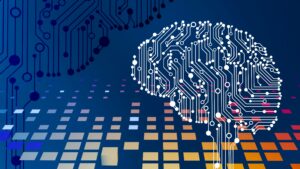
The rapid growth of artificial intelligence has exposed fundamental limitations in traditional computing architectures. While modern processors excel at speed and precision, they struggle with adaptability, energy efficiency, and real-time learning. To overcome these challenges, scientists and engineers are turning toward a radically different approach inspired by the most powerful processor known: the human brain. Brain-based computing systems are redefining how machines sense, learn, and interact with the world.
Understanding the Concept of Brain-Inspired Computing
Brain-inspired computing seeks to replicate how biological neural systems process information. Unlike conventional computers that separate memory and processing, the brain integrates both within interconnected neurons and synapses. This structure allows the brain to process vast amounts of information simultaneously while consuming remarkably little energy.
Computing systems modeled on these principles aim to capture similar capabilities. By mimicking neural behavior, machines can learn from experience, respond dynamically to inputs, and operate efficiently in unpredictable environments.
Why Traditional Computing Architectures Fall Short
Conventional computing relies on sequential processing and predefined instructions. While effective for structured tasks, this approach struggles with real-world data such as images, sound, and sensory input. Processing these data types requires immense computational power and energy.
As artificial intelligence applications expand, these inefficiencies become increasingly problematic. Brain-inspired architectures address this issue by enabling parallel, event-driven processing, allowing systems to react only when meaningful information is present. This results in faster responses and lower energy consumption.
Key Principles Behind Brain-Based System Design
Several core principles guide the development of brain-inspired systems. Parallelism allows thousands of processing units to operate simultaneously. Event-based communication ensures that computation occurs only when signals are received, reducing unnecessary activity.
Adaptability is another defining feature. Artificial synapses adjust their strength over time, enabling learning without explicit reprogramming. This dynamic behavior allows systems to improve performance through interaction with their environment.
Advances in Specialized Hardware Design
Hardware innovation is central to the progress of brain-based computing. Specialized chips are designed to replicate the behavior of neurons and synapses at the physical level. These chips differ from traditional processors by combining memory and computation within a single structure.
Emerging materials and device technologies further enhance performance. Components that naturally exhibit synaptic behavior enable learning directly in hardware, reducing reliance on software-driven training processes. These advances bring machines closer to biological efficiency.
Learning Models and Adaptive Software Frameworks
Software for brain-inspired systems departs from conventional programming methods. Instead of executing predefined instructions, these systems rely on adaptive learning rules derived from neuroscience. Information is transmitted through discrete events, often called spikes, rather than continuous signals.
Learning occurs through changes in the strength of connections between artificial neurons. This approach supports real-time adaptation and reduces the need for massive labeled datasets. Machines can learn incrementally, making them well-suited for dynamic environments.
Practical Applications Across Industries
Brain-based computing systems are opening new possibilities across multiple sectors. In robotics, they enable machines to process sensory input and adapt movement in real time. This capability supports more natural interaction with complex environments.
Healthcare applications include advanced medical imaging, brain-machine interfaces, and wearable diagnostic devices. Low-power operation makes these systems ideal for continuous monitoring and implantable technologies.
Autonomous systems also benefit significantly. Vehicles, drones, and smart infrastructure require fast decision-making with minimal latency. Brain-inspired architectures improve responsiveness while maintaining energy efficiency.
Energy Efficiency and Environmental Impact
One of the most compelling advantages of brain-based computing is its energy efficiency. The human brain operates on a fraction of the power required by modern data centers while performing extraordinarily complex tasks.
By emulating this efficiency, intelligent machines can operate in power-constrained environments and reduce overall energy consumption. This advantage supports sustainable technology development and enables broader deployment of intelligent systems.
Challenges in Development and Adoption
Despite its promise, brain-inspired computing faces several obstacles. Designing systems that accurately replicate biological behavior remains technically complex. Hardware development requires specialized expertise and significant investment.
Standardization is another challenge. Integration with existing computing infrastructure is limited, and development tools are still evolving. Addressing these challenges will require collaboration across neuroscience, engineering, and computer science disciplines.
The Role of Neuroscience Research
Ongoing neuroscience research plays a critical role in advancing brain-inspired systems. Improved understanding of neural behavior, learning mechanisms, and perception directly informs system design.
As scientific knowledge expands, engineers can refine computational models to reflect biological intelligence better. This continuous exchange between biology and technology accelerates innovation and improves system performance.
Implications for the Future of Artificial Intelligence
Brain-based computing has the potential to transform artificial intelligence by enabling machines that learn continuously and operate autonomously. These systems move beyond data-intensive training models toward adaptive, context-aware intelligence.
Future applications may include personal assistants that learn naturally, robots that adapt socially, and machines capable of long-term learning without retraining. This shift represents a major evolution in how intelligent systems are built and deployed.
A New Paradigm for Intelligent Machines
Brain-inspired computing represents a fundamental departure from traditional machine design. By embracing principles observed in nature, engineers are developing systems that are more efficient, adaptable, and resilient.
As research and development continue, these technologies are expected to play a central role in shaping the next generation of intelligent machines. Brain-based systems offer a powerful pathway toward sustainable, flexible, and truly intelligent technology.