Environmental Monitoring in the Digital Age Powered by Smarter Technologies


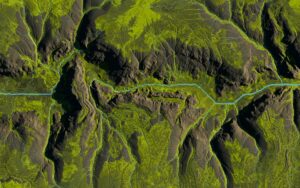
Environmental monitoring in the digital age has become one of the most essential tools for protecting our planet. As climate change, pollution, and natural disasters increase, people need faster and more innovative ways to understand what is happening on Earth. Today, advanced satellites, sensors, and brain-inspired computing systems work together to deliver real-time insights, enabling scientists, governments, and communities to make better decisions and act sooner.
In this article, we will explore how Earth observations and neuromorphic engineering are reshaping environmental monitoring. We will also look at why this digital shift matters and how it helps build a safer and more sustainable future.
The Growing Need for Environmental Monitoring in the Digital Age
Environmental problems no longer develop slowly. Instead, floods, heat waves, wildfires, and air pollution spikes can happen within hours or days. As a result, traditional monitoring methods struggle to keep up. Manual data collection takes time, and delayed information often leads to delayed action.
Environmental monitoring in the digital age solves this problem by using connected technologies. Satellites, drones, and ground sensors collect massive amounts of data every day. At the same time, digital systems process this data quickly and share insights worldwide. Because of this speed, decision-makers can respond before minor problems turn into major disasters.
Moreover, digital monitoring allows long-term tracking. Scientists can compare data over years and even decades. This makes it easier to see patterns, predict risks, and measure progress toward environmental goals.
Understanding Earth Observations and Why They Matter
Earth observations refer to data collected about our planet using satellites, aircraft, and ground-based tools. These observations track land, oceans, atmosphere, and ice. Since satellites orbit Earth constantly, they provide a global view that humans cannot achieve from the ground alone.
For example, satellites monitor deforestation in real time. When forests disappear faster than expected, alerts can reach authorities quickly. Similarly, Earth observations track sea level rise, glacier melting, and ocean temperatures. Because climate change affects the entire planet, this global perspective is essential.
In environmental monitoring in the digital age, Earth observations act as the eyes of the system. They gather accurate and continuous data, even in remote or dangerous areas. As a result, scientists no longer rely only on limited field reports.
The Role of Digital Sensors and Connected Devices
While satellites offer a wide view, ground-based sensors provide local detail. Air quality monitors, water sensors, and soil probes collect data from specific locations. These devices often connect through the internet, forming what many call the Internet of Things.
Because these sensors send data in real time, communities can monitor their local environment every minute. For instance, air quality sensors warn people when pollution levels rise. As a result, schools, hospitals, and families can take protective steps right away.
In addition, connected sensors help farmers manage land more efficiently. Soil moisture data guides irrigation, while weather sensors improve crop planning. Therefore, environmental monitoring in the digital age supports both ecological protection and economic stability.
What Is Neuromorphic Engineering and Why Is It Important
Neuromorphic engineering is a type of computing inspired by the human brain. Instead of processing data linearly, neuromorphic systems mimic how neurons function. They process information quickly, adapt to new patterns, and use less energy.
This approach fits perfectly with environmental monitoring in the digital age. Environmental data arrives continuously and often changes fast. Traditional computers can process this data, but they consume significant power. In contrast, neuromorphic chips analyze patterns efficiently and respond almost instantly.
For example, a neuromorphic system can detect unusual changes in weather data. When it spots early signs of a storm or heat wave, it triggers alerts faster than standard systems. Because of this speed, communities gain valuable time to prepare.
How Earth Observations and Neuromorphic Engineering Work Together
When Earth observations and neuromorphic engineering combine, the result is a robust monitoring system. Satellites and sensors collect vast amounts of raw data. Then, neuromorphic processors analyze that data in real time.
This partnership improves accuracy. Instead of waiting for human analysts to review images and charts, intelligent systems identify patterns autonomously. For instance, they can recognize wildfire smoke in satellite images or detect oil spills in ocean data.
Moreover, these systems learn over time. As they process more information, they improve their predictions. Therefore, environmental monitoring in the digital age becomes more innovative and more reliable with each passing year.
Real World Applications That Make a Difference
Digital environmental monitoring already plays a role in many real-world situations. Disaster response is one strong example. Early warning systems use satellite data and intelligent algorithms to predict floods and earthquakes. Because alerts arrive sooner, emergency teams can evacuate people and reduce damage.
Another application involves wildlife protection. Sensors and satellite tracking help monitor animal movement and habitat loss. As a result, conservation groups can act before species face danger.
Urban planning also benefits from these technologies. Cities use environmental data to reduce pollution, manage traffic, and design greener spaces. Therefore, environmental monitoring in the digital age improves the quality of life in both rural and urban areas.
Making Environmental Data Easy to Understand
One challenge with digital monitoring involves data overload. Large systems generate massive datasets that can overwhelm users. However, modern platforms focus on clear visualization and simple dashboards.
Maps, charts, and alerts turn complex data into easy insights. Because of this, non-experts can understand environmental risks and trends. For example, a farmer can view soil health through a simple app, while a city official can track air quality with color-coded maps.
This accessibility matters because environmental protection requires teamwork. When everyone understands the data, better decisions follow.
The Future of Environmental Monitoring
Looking ahead, environmental monitoring will continue to evolve. Smaller satellites, more intelligent sensors, and more efficient neuromorphic chips will expand coverage and reduce costs. As a result, even remote regions will benefit from real-time monitoring.
Artificial intelligence will also grow more advanced. Systems will not only detect problems but also suggest solutions. For instance, they may recommend land management strategies or pollution reduction plans.
Because environmental challenges affect everyone, this digital evolution offers hope. Ecological monitoring in the digital age empowers people to protect nature with knowledge, speed, and precision.